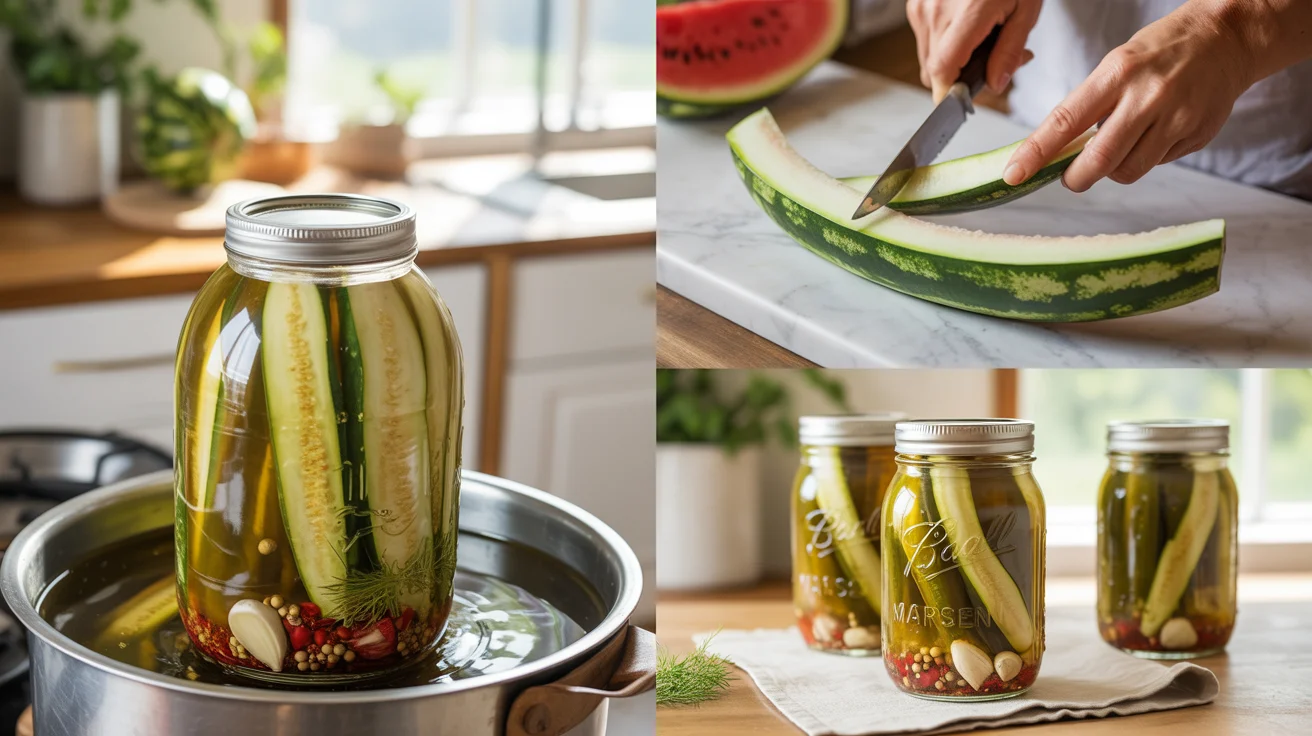
From Scraps to Snacks: The Magic of Pickled Watermelon Rind
In a world increasingly conscious of food waste and sustainable living, discovering culinary gems hidden in plain sight is more satisfying than ever. Enter the humble watermelon rind, often relegated to the compost bin, but brimming with potential. Far from being mere refuse, the rind of this beloved summer fruit can be transformed into a vibrant, tangy, and irresistibly crunchy pickled watermelon rind – a true no-waste delicacy.
This traditional Southern treat, a hallmark of resourcefulness and flavor innovation, offers a delightful contrast of sweet, sour, and subtly spicy notes. Imagine the refreshing crispness you expect from a classic cucumber pickle, but with an unexpected burst of summery charm. Pickled watermelon rinds are not just a snack; they're a testament to culinary creativity, turning what was once considered garbage into a refreshing, guilt-free indulgence that perfectly complements hot weather.
Unlike labor-intensive traditional canning methods, preparing these delightful rinds is surprisingly straightforward. This guide focuses on a simple stovetop and refrigerator pickling technique, making it accessible for even novice picklers. With a handful of pantry staples and a little patience, you can unlock the full potential of your watermelon, ensuring every part of the fruit contributes to your summer culinary adventures.
Selecting Your Melon & Preparing the Rind for Perfection
The journey to perfect pickled watermelon rind begins before you even slice into your melon. While we typically choose watermelons for their juicy, sweet flesh, when pickling, your focus shifts to the often-overlooked rind. The key to a satisfyingly crunchy pickle lies in selecting a watermelon with a thick rind. Many modern varieties are bred for thinner rinds to maximize red flesh, so keep an eye out for older, picnic-style watermelons, or simply feel for a substantial white layer between the green skin and the red pulp.
Choosing the Right Watermelon:
- Seek Thicker Rinds: Larger, traditional "picnic" watermelons often have thicker rinds compared to smaller "icebox" varieties or some seedless types.
- Tap Test: A good, ripe watermelon will sound hollow when thumped, but for pickling, don't forget to consider the rind's visual thickness.
- Variety Matters: While over 50 varieties exist, don't get too bogged down; focus primarily on rind thickness.
Preparing the Rind, Step-by-Step:
- Clean and Quarter: Thoroughly wash the watermelon. Once you've enjoyed the sweet red flesh, cut the remaining rind into manageable quarters or large pieces.
- Remove the Green Skin: Using a sturdy vegetable peeler or a sharp paring knife, carefully remove the dark green outer skin. You want to expose the firm, white part of the rind completely. This green layer is tough and unpleasant in a pickle.
- Trim the Pink Flesh: Next, use a chef's knife to carefully scrape away most of the remaining pink or red fruit flesh. While a tiny trace can add a beautiful subtle hue to your finished pickles, too much will soften the rind significantly and can make your pickles mushy. Aim for a thin, almost translucent layer, or none at all if you prefer.
- Cut into Desired Shapes: This is where you can get creative!
- Spears: The classic choice, perfect for snacking and mimic traditional dill pickles.
- Coins: Great for adding to salads or as a garnish.
- Crinkle Cuts: Add visual appeal and extra surface area for brine absorption.
- Cubes: Ideal for chopping into relishes or mixing into dishes.
- Long Sandwich Slices: Excellent for layering into sandwiches or wraps.
- Optional Blanching for Extra Crispness: For an extra-crisp pickled watermelon rind, some cooks briefly blanch the prepared rinds in boiling water for 2-3 minutes, then immediately plunge them into an ice bath. This technique helps to "set" the pectin in the rind, contributing to a firmer texture.
Crafting Your Brine: A Symphony of Sweet, Sour, and Spice
The magic of pickled watermelon rind truly comes alive in the brine. This simple liquid infusion is what transforms the neutral rind into a flavor-packed delicacy. A classic pickled watermelon rind brine strikes a harmonious balance between sweet and sour, often with warm, aromatic spices.
The Classic Brine Components:
- Vinegar: Apple cider vinegar is the traditional choice, lending a fruity, mellow tang that beautifully complements the watermelon. White vinegar can also be used for a sharper, cleaner sour profile.
- Sweetener: Granulated sugar is standard, providing the essential sweetness that balances the vinegar's acidity. For a deeper flavor, you could experiment with a touch of brown sugar or even honey.
- Water: To dilute the vinegar and sugar to the perfect pickling strength.
- Salt: Essential for flavor enhancement and acts as a preservative. Non-iodized salt (like pickling salt or kosher salt) is preferred to avoid cloudiness.
Essential Spices for a Traditional Flavor:
The foundational spices that define the classic pickled watermelon rind experience are usually:
- Allspice: Contributes warm notes reminiscent of cloves, cinnamon, and nutmeg.
- Cinnamon Sticks: Adds a sweet, woody fragrance and flavor. Using sticks rather than ground cinnamon prevents a cloudy brine.
Elevating Your Brine: Custom Spice Blends and Flavor Variations:
While the classics are wonderful, don't hesitate to customize your brine to suit your palate. This is where your personal touch shines:
- Warm & Aromatic: Add whole cloves, star anise, or a few cardamom pods for a more complex, aromatic profile. A slice of fresh ginger can also introduce a subtle zest.
- Spicy Kick: For those who love a bit of heat, a few red pepper flakes or a small dried chili can add a delightful warmth.
- Earthy Notes: Mustard seeds (yellow or brown), coriander seeds, or black peppercorns can provide a subtle, earthy depth.
- Herbal Touches: A bay leaf or a sprig of fresh dill or thyme can offer an interesting counterpoint, though less traditional for this specific pickle.
You can create your own spice blend using whole spices, or for convenience, use a good quality store-bought pickling spice mix, adjusting the quantity to your taste.
The Quick-Pickling Process:
This method skips the complexity of traditional canning, making it perfect for beginners:
- Combine & Simmer: In a non-reactive saucepan, combine the vinegar, water, sugar, salt, and your chosen whole spices. Bring the mixture to a simmer over medium heat, stirring until the sugar and salt are completely dissolved. Allow it to simmer gently for a few minutes to let the spices infuse.
- Pack the Rinds: While the brine simmers, tightly pack your prepared watermelon rinds into clean, heat-proof jars.
- Pour & Seal: Carefully pour the hot brine over the rinds, ensuring they are fully submerged. Tap the jars gently to release any air bubbles. Seal the jars with lids.
- Cool & Refrigerate: Let the jars cool to room temperature on your counter. Once cool, transfer them to the refrigerator. The rinds will begin pickling immediately, but they need at least 24 hours to reach optimal pickled perfection, allowing the flavors to meld and the rinds to fully absorb the tangy brine.
Stored in the refrigerator, your homemade pickled watermelon rinds will keep well for several weeks, if not longer, providing a continuous supply of this delicious summer snack.
Beyond the Jar: Creative Ways to Enjoy Your Pickled Rinds
While snacking on pickled watermelon rind straight from the jar is undeniably satisfying, its versatility extends far beyond a simple grab-and-go treat. In the South, where this delicacy holds a special place, it's a staple on relish trays and an essential accompaniment to summer gatherings. But its unique sweet, sour, and crunchy profile makes it a fantastic addition to a surprising array of dishes, offering a delightful contrast and textural intrigue.
Traditional Southern Charm:
- Relish Tray Star: No Southern cookout or potluck is complete without a bowl of vibrant pickled watermelon rinds alongside classic pickled okra, green tomatoes, and corn relish.
- BBQ Companion: Their bright acidity cuts through the richness of barbecue meats like pulled pork, brisket, or ribs, offering a refreshing palate cleanser.
- Deviled Eggs & Salads: Serve them as a tangy side to creamy deviled eggs, or chop them finely and sprinkle over crisp summer salads, perhaps with crumbled thick-cut bacon, for an unexpected burst of flavor.
Modern Culinary Applications & Creative Pairings:
Don't be afraid to experiment! The pickled watermelon rind can elevate everyday meals and impress guests at special occasions:
- Sandwich & Wrap Enhancer: Chop them up and add to chicken salad, tuna salad, or egg salad for a delightful crunch and tangy kick. Layer thinly sliced rinds into sandwiches or wraps to add a refreshing counterpoint to deli meats or grilled vegetables.
- Burger & Hot Dog Topping: Move over, traditional pickle spears! Finely diced pickled watermelon rind makes a fantastic, unexpected relish for burgers, hot dogs, or sausages.
- Cheese & Charcuterie Boards: Their sweet-and-sour profile pairs beautifully with a variety of cheeses, especially creamy cheddars, goat cheese, or sharp blues. They also provide a refreshing counterpoint to rich cured meats on a charcuterie board.
- Garnish for Cocktails: For a unique twist, skewer a spear of pickled watermelon rind as a garnish for a Bloody Mary or a gin and tonic, adding an intriguing visual and flavor element.
- Stir-fries & Grain Bowls: Add chopped rinds to the end of a stir-fry for a vibrant, crunchy texture, or toss them into grain bowls with roasted vegetables and protein for an unexpected flavor pop.
- Ingredient in Salsas & Chutneys: Finely mince them and incorporate into fruit salsas or chutneys for a savory-sweet condiment that pairs well with grilled fish or poultry.
The possibilities are truly endless. By embracing the versatility of pickled watermelon rind, you not only enjoy a delicious snack but also contribute to a more sustainable kitchen, honoring every part of this beloved summer fruit.
Embracing the art of making pickled watermelon rind is a culinary journey that promises both delicious rewards and a deep sense of satisfaction. It's an ode to the "no-waste" philosophy, transforming what many consider discardable into a celebrated delicacy. From its humble origins as a resourceful Southern staple to its potential as a versatile gourmet ingredient, this tangy, sweet, and crunchy treat offers a refreshing taste of summer all year round. So, the next time you carve into a juicy watermelon, remember the hidden treasure within its rind. With a few simple steps, you can create a batch of perfect pickled watermelon rind, ready to be enjoyed straight from the jar or as a vibrant addition to countless dishes, proving that some of the best flavors come from the most unexpected places.
