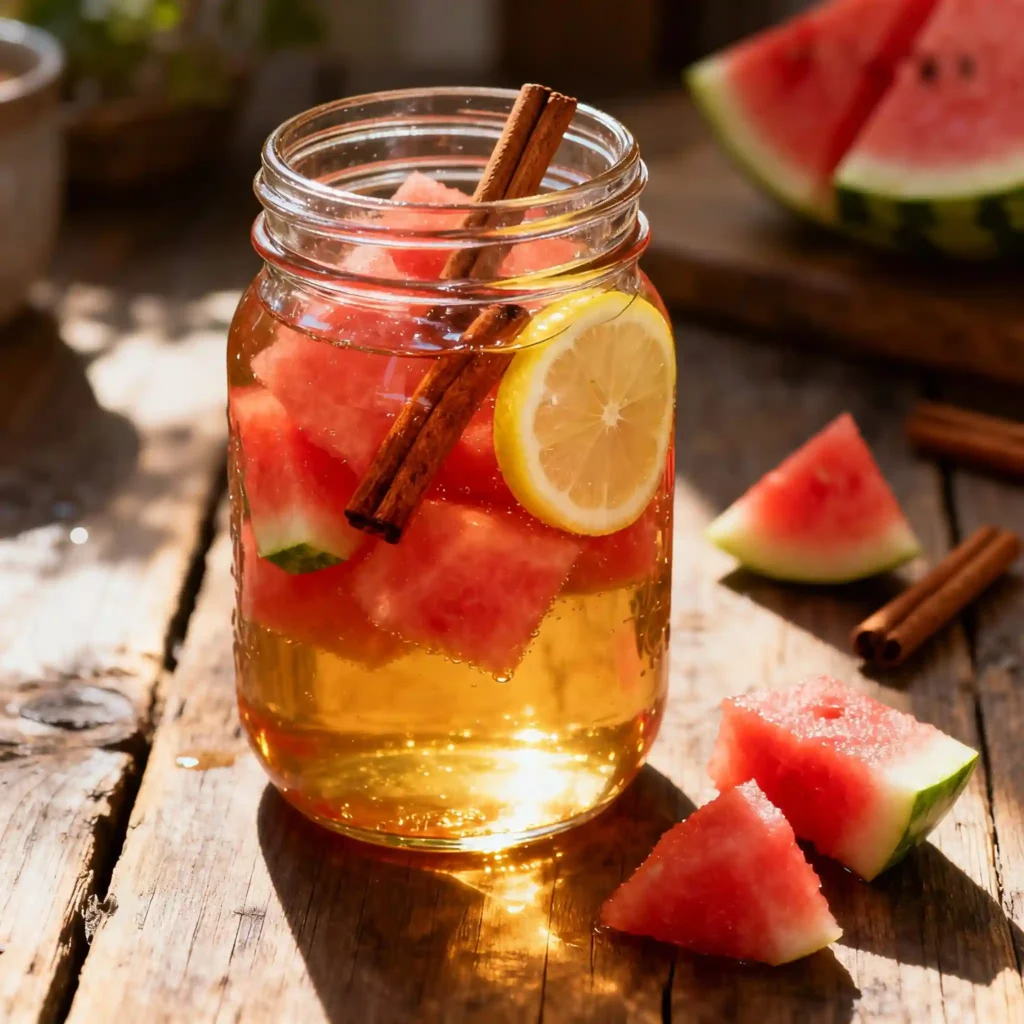
Unlock Southern Flavor: The Magic of Pickled Watermelon Rinds
As the long, sun-drenched days of summer roll in, nothing quite signals the season like biting into a juicy, refreshing slice of watermelon. Its vibrant red flesh and cool, sweet taste are synonymous with picnics, barbecues, and lazy afternoons. But what if we told you that the best part of your watermelon experience might just be the part you’ve been tossing away? Enter the glorious, often-overlooked hero of Southern kitchens: the pickled watermelon rind.
Far from being mere compost fodder, watermelon rinds can be transformed into a culinary delight that is tangy, sour, sweet, and wonderfully crunchy. This age-old Southern tradition takes what was once considered waste and turns it into a delectable, no-waste summer snack. Imagine a crisp pickle spear, but with a unique, slightly fruity undertone – that’s the magic of a homemade No-Waste Delicacy: Your Guide to Perfect Pickled Watermelon Rind. Get ready to embrace a touch of Southern charm and discover how easy it is to create this classic treat right in your own kitchen.
A Taste of Tradition: Why Pickled Watermelon Rind is a Southern Staple
The concept of pickling watermelon rinds isn't just about reducing food waste; it's a culinary art deeply rooted in resourceful Southern cooking. Grandmothers across generations perfected this technique, transforming humble ingredients into something truly special. This isn't your average cucumber pickle; pickled watermelon rinds offer a distinctive texture and flavor profile that sets them apart.
Unlike many vegetables that soften significantly when pickled, watermelon rinds retain a delightful crispness, providing a satisfying bite that's both refreshing and addictive. Their inherent mild sweetness acts as a perfect canvas for a harmonious blend of sour vinegar, aromatic spices, and a touch of added sugar. This creates a complex sweet-and-sour symphony that excites the palate and leaves you reaching for another piece.
Beyond their unique taste and texture, these rinds embody a philosophy of using every part of the harvest. In an era where sustainability and mindful eating are increasingly valued, rediscovering recipes like this allows us to connect with traditions that celebrated resourcefulness and creativity. It’s a delicious testament to the ingenuity of home cooks who knew how to make every scrap count, turning a seasonal bounty into a pantry staple.
From Melon to Masterpiece: Selecting and Preparing Your Rinds
The journey to perfect pickled watermelon rind begins with the right melon and careful preparation. While any watermelon can yield rinds, selecting the right one makes a significant difference.
Choosing Your Watermelon Wisely
When you're at the market, look beyond the vibrant red flesh and consider the rind. Many modern watermelon varieties have been cultivated for thinner rinds, but for pickling purposes, you want a watermelon with a thick rind. This provides more crunchy, white flesh to work with, resulting in more substantial and satisfying pickles. Varieties typically divided into categories like icebox, picnic, seedless, or yellow-orange fleshed can all work, but always prioritize rind thickness over other characteristics for this recipe.
Preparing the Rinds: A Step-by-Step Guide
- Wash and Slice: Begin by thoroughly washing your watermelon. Cut it into large wedges or slices, enjoying the red fruit, but setting aside the rinds.
- Remove the Green Skin: Using a sturdy vegetable peeler or a sharp paring knife, carefully remove the dark green outer skin from the rind. This layer is tough and lacks flavor, so it’s best to discard it. Safety first: always peel away from your body.
- Trim the Pink Flesh: Next, use a chef's knife to carefully trim away most of the red or pink flesh from the rind. While some recipes suggest leaving a tiny bit for color, too much can make your pickles mushy and overly sweet. Aim for a mostly white rind, perhaps with a whisper of pink remaining for aesthetic appeal.
- Cut into Desired Shapes: Now comes the fun part – shaping your rinds!
- Spears: The most classic choice, perfect for snacking straight from the jar or arranging on a relish tray.
- Coins or Crinkle Cuts: Ideal for adding to salads, sandwiches, or as a garnish. A crinkle cutter adds a decorative touch.
- Long Sandwich Slices: Great for adding a tangy crunch to burgers or deli sandwiches.
- Cubes: Easily chopped into relishes or mixed into creamy dips.
- Optional Blanching (Pro Tip): For an extra-crisp pickle, some home cooks prefer to blanch their prepared rinds. Briefly boil the cut rinds in plain water for 2-3 minutes, then immediately plunge them into an ice bath. This helps set their texture before they go into the brine. Drain thoroughly before proceeding.
The Brine Secret: Crafting Your Sweet and Sour Symphony
Unlike traditional canning methods that require specific equipment and extensive processing, making pickled watermelon rind at home is surprisingly simple. This "quick pickle" method utilizes a stovetop brine and refrigeration, making it accessible for any home cook.
The Essential Brine Ingredients
A classic pickling brine typically consists of a few key components:
- Vinegar: Apple cider vinegar is a popular choice for its mild fruitiness that complements the watermelon, but white vinegar can also be used for a sharper, cleaner tang.
- Sugar: Crucial for balancing the tartness of the vinegar and enhancing the rind's natural sweetness.
- Water: To dilute the vinegar and create the pickling liquid.
- Salt: Essential for flavor, preservation, and drawing out moisture from the rinds, contributing to their crispness. Non-iodized salt (like pickling or kosher salt) is preferred to avoid cloudiness.
Building Your Flavor Profile with Spices
The beauty of homemade pickles lies in your ability to customize the spice blend. The reference context mentions allspice and cinnamon, which are fantastic starting points for a warm, sweet-sour profile. But don't stop there! Consider experimenting with:
- Warm Spices: Cloves, star anise, a few cardamom pods.
- Peppery Notes: Black peppercorns, whole mustard seeds.
- Heat: A pinch of red pepper flakes or a dried chili pepper for a subtle kick.
- Fresh Aromatics: A few slices of fresh ginger or lemon peel can add bright, zesty notes.
You can create your own spice blend or use a good quality store-bought pickling spice mix. Remember, the goal is a balanced flavor that enhances, not overpowers, the subtle taste of the watermelon rind.
The Simple Stovetop Method
The process is straightforward: combine your vinegar, water, sugar, salt, and chosen spices in a non-reactive saucepan. Bring the mixture to a boil, stirring until the sugar and salt are fully dissolved. Let it simmer for a few minutes to allow the flavors to meld. Once your brine is ready, carefully pack your prepared watermelon rinds into clean, heat-proof jars. Pour the hot brine over the rinds, ensuring they are completely submerged. If any rinds float, you can use a small glass weight or a cabbage leaf to keep them under the liquid.
Allow the jars to cool to room temperature before sealing them and transferring them to the refrigerator. While they can be enjoyed after 24 hours, the flavors will deepen and meld beautifully over a few days. These quick-pickled watermelon rinds are stored in the refrigerator and typically last for several weeks, if not months. This method is an excellent way to Transform Watermelon Rinds: Easy Pickling for a Summer Snack without the fuss of traditional canning.
Beyond the Jar: Creative Ways to Enjoy Your Pickled Watermelon Rinds
While snacking on these tangy, sweet, and crunchy treats straight from the jar is undeniably satisfying, their versatility extends far beyond. Pickled watermelon rinds can elevate a variety of dishes, adding a unique Southern flair and a delightful textural contrast.
- Relish Trays and Appetizers: A staple at Southern cookouts, these pickles are perfect alongside deviled eggs, cheese, and cured meats on a summer relish tray or charcuterie board.
- Salad Enhancer: Chop them into small pieces and add them to green salads, potato salads, or even fruit salads for a surprising burst of flavor and crunch. They pair wonderfully with feta cheese, grilled chicken, or crisp bacon.
- Sandwich and Burger Booster: Thinly sliced or chopped, they make a fantastic addition to sandwiches, wraps, and burgers. Their sweet-sour profile cuts through rich ingredients, providing a welcome zing.
- BBQ Sidekick: Serve them as a refreshing counterpoint to rich, smoky barbecue dishes like pulled pork, brisket, or grilled ribs. The acidity helps cleanse the palate.
- Garnish and Mix-in: Mince the rinds to create a unique relish for hot dogs or tacos, or fold them into creamy dips for an unexpected twist.
Their ability to provide both sweetness and acidity makes them an excellent ingredient for balancing rich or heavy dishes. Experiment with different preparations and discover how this humble rind can become a star ingredient in your culinary repertoire.
Embrace the Charm: Your Kitchen's New Favorite Summer Tradition
From a discarded rind to a cherished delicacy, homemade pickled watermelon rind embodies the best of resourceful cooking and Southern hospitality. It's a simple, delicious, and sustainable way to savor the bounty of summer and add a unique, tangy crunch to your meals and snacks. With minimal effort and ingredients you likely already have, you can transform what was once waste into a sweet-and-sour symphony that will delight friends and family alike.
So, the next time you enjoy a refreshing slice of watermelon, don't rush to toss that rind. Instead, embrace the Southern charm, grab your peeler and knife, and embark on a delicious pickling adventure. You might just discover your new favorite summer tradition.
