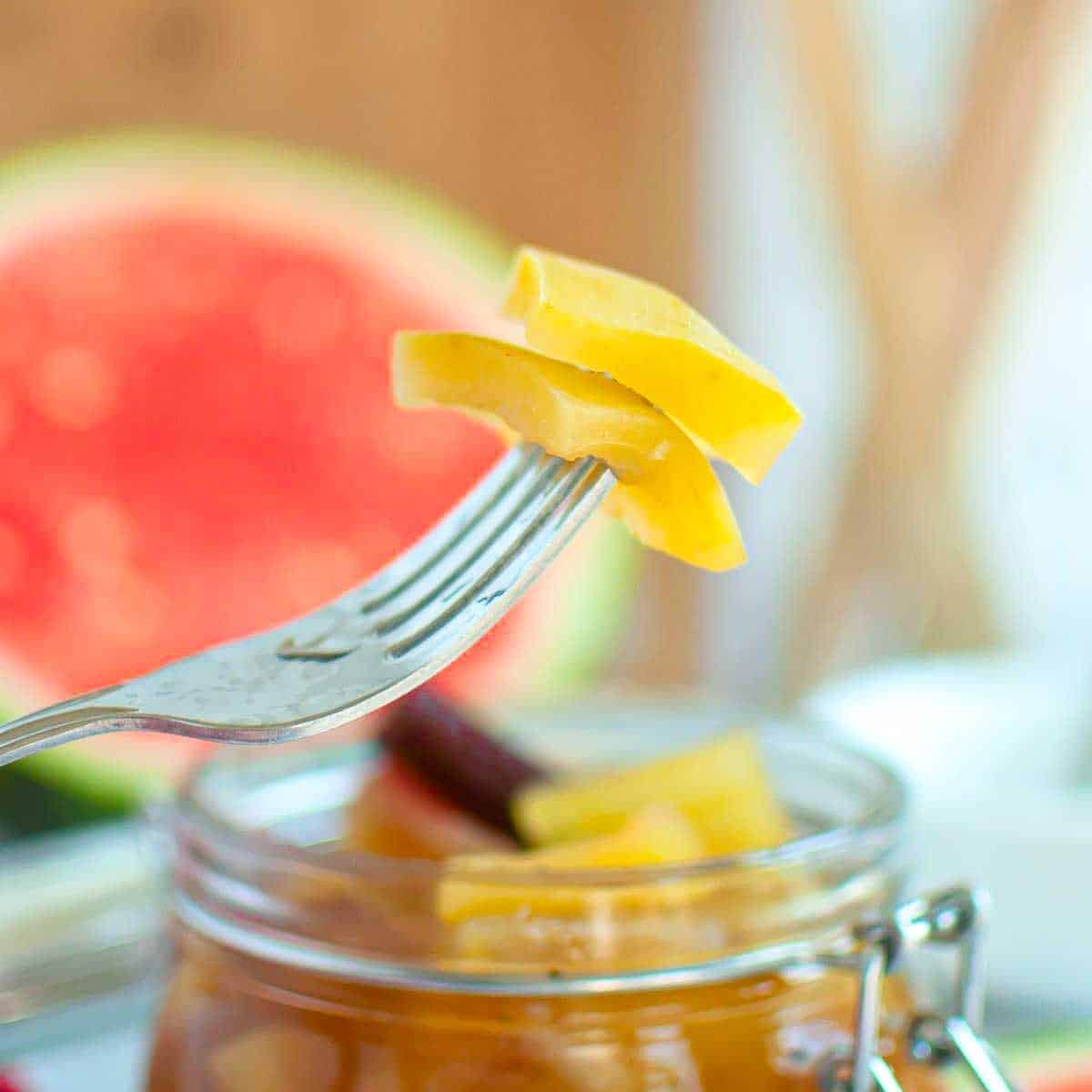
Transform Watermelon Rinds: Easy Pickling for a Summer Snack
Summer is synonymous with the sweet, juicy delight of watermelon. Few things beat a cold slice on a hot day. But what happens once the vibrant pink flesh is gone? For many, the thick, pale-green rind is an afterthought, destined for the compost bin or trash. It’s time to rethink that habit! Imagine transforming that often-discarded part of the fruit into a delightful, crunchy, sweet-and-sour treat. This is where the magic of pickled watermelon rind comes in – an old-fashioned delicacy experiencing a well-deserved resurgence as a modern, no-waste summer snack.
Far from being mere refuse, the rind of a watermelon holds incredible culinary potential. When pickled, it develops a texture similar to a traditional cucumber pickle spear, offering a satisfying snap and a complex flavor profile that balances tanginess, sweetness, and a hint of spice. This isn't just about reducing food waste; it's about unlocking a surprisingly delicious and refreshing addition to your summer menu. Best of all, making your own perfect pickled watermelon rind is far simpler than you might think, using ingredients you likely already have in your pantry.
The Enduring Appeal of Pickled Watermelon Rind
For generations, particularly in the American South, pickled watermelon rind has been a cherished culinary secret. It’s a testament to ingenuity and a commitment to making the most of every part of a seasonal bounty. While the debate rages on among Southerners about salting fresh watermelon, there's a strong, undeniable love for its pickled counterpart. This isn't just a quirky snack; it’s a versatile ingredient that embodies the flavors of summer.
So, what makes these rinds so appealing? It’s a captivating combination of textures and tastes:
- Crunchy Texture: Unlike the soft inner flesh, the rind retains a delightful crispness, even after pickling, making it a refreshing bite.
- Sweet and Tangy Flavor: The pickling process infuses the rind with a perfect harmony of sweet, sour, and sometimes a touch of spicy or aromatic notes from the spices used.
- No-Waste Philosophy: In an era where food sustainability is increasingly important, turning a discarded item into a gourmet snack is both eco-friendly and satisfying.
- Versatility: From a simple snack to a sophisticated accompaniment, pickled rinds punch above their weight in culinary applications.
Forget complicated canning methods; these easy, quick-pickled rinds typically use a simple stovetop brine and are stored in the refrigerator, ready for enjoyment in just 24 hours.
Selecting and Preparing Your Watermelon Rinds
The journey to perfect pickled watermelon rind begins with the right watermelon and proper preparation. While enjoying your favorite summer fruit, keep an eye out for watermelons with thicker rinds. Many modern varieties are cultivated for thinner rinds to maximize red flesh, but a thicker rind provides more substantial material for pickling, resulting in a heartier, more satisfying pickle.
Choosing Your Melon:
- Seek Thicker Rinds: When shopping, gently tap and feel the watermelon. While difficult to gauge rind thickness precisely from the outside, heavier melons for their size might sometimes indicate a thicker rind. Heirloom varieties or those not specifically bred for seedlessness often have thicker rinds.
- Variety Matters (Less Than You Think): There are over 50 varieties of watermelon globally, from "icebox" to "picnic" sizes. For pickling, the specific variety is less crucial than the rind's thickness and the melon's overall freshness.
Preparing the Rinds:
Once you've devoured the sweet red flesh, it's time to tackle the rind. This process is straightforward but requires a bit of care:
- Remove the Green Skin: Using a sturdy vegetable peeler, carefully remove the dark green outer skin from the rind. You want to expose the pale white or light green inner rind. Make sure to get all the green, as it can be tough and slightly bitter.
- Trim the Red Flesh: With a chef's knife, carefully cut away any remaining pink or red flesh. While some recipes suggest leaving a tiny bit for color, for a cleaner, more traditional pickled rind, aim to remove most of it.
- Cut into Desired Shapes: This is where you can get creative! Spears are classic and excellent for snacking, but cubes, crinkle-cut coins, or even long sandwich slices work beautifully. The shape primarily affects presentation and eating experience rather than flavor. Just ensure pieces are roughly uniform in size for even pickling.
Safety tip: Watermelon rinds can be slippery. Use a sharp knife and a stable cutting board, and always cut away from your body.
Crafting Your Pickling Brine: Beyond the Basics
The heart of any great pickle lies in its brine. For pickled watermelon rind, the brine is a simple yet powerful concoction that transforms the neutral rind into a burst of flavor. This refrigerator pickle method simplifies the process, making it accessible even for novice home cooks. The classic sweet and sour profile is achieved with a blend of vinegar, sugar, water, and aromatic spices.
Essential Brine Ingredients:
- Vinegar: Apple cider vinegar is a popular choice, lending a fruity tang. White vinegar works well for a sharper, cleaner sour note. For a different twist, consider rice vinegar for a milder, slightly sweeter brine, or even a mix of vinegars.
- Sugar: Granulated sugar is standard, balancing the acidity of the vinegar and contributing to the "sweet" in sweet-and-sour. The amount can be adjusted to your preference – more sugar for a sweeter pickle, less for a tangier one.
- Water: To dilute the vinegar and sugar, creating the perfect liquid base.
- Salt: A pinch of salt enhances all the flavors and helps with the pickling process.
Spice It Up: Customizing Your Flavor Profile:
While allspice and cinnamon provide a classic, warm, and comforting flavor profile reminiscent of Southern charm and classic pickled watermelon rinds, this is your opportunity to truly personalize your pickles. Don't be afraid to experiment!
- Classic Warmth: Stick with whole cinnamon sticks, star anise, whole cloves, and allspice berries for that traditional, cozy aroma.
- Hint of Heat: Add a few red pepper flakes, a small dried chili, or even a slice of fresh jalapeño for a subtle kick.
- Earthy & Pungent: Mustard seeds, dill seeds, coriander seeds, or bay leaves can introduce more complex, savory notes.
- Citrusy Brightness: A strip of lemon or orange zest simmered in the brine can add a wonderful fresh aroma and taste.
- Ginger Twist: A few thin slices of fresh ginger root can provide a unique, zesty warmth.
Simply combine your chosen brine ingredients in a saucepan, bring to a boil, and simmer until the sugar and salt are dissolved. Then, pour the hot brine over your prepared watermelon rinds packed into clean jars. Allow them to cool before refrigerating for at least 24 hours to let the flavors meld and the magic happen.
Serving Suggestions and Creative Culinary Uses
Once your pickled watermelon rind has had a chance to steep in its flavorful brine, a world of culinary possibilities opens up. These aren't just for snacking straight from the jar (though that's undeniably satisfying!). Their unique sweet, sour, and crunchy profile makes them incredibly versatile:
- Appetizer & Relish Tray: Serve them chilled on a summer relish tray alongside other pickled vegetables, cheeses, and cured meats for an impressive spread. They pair wonderfully with rich, savory items, cutting through the richness with their bright acidity.
- Salads: Chop them finely and toss them into green salads, grain salads, or even fruit salads for an unexpected burst of flavor and texture. They're especially good with salads featuring grilled chicken, shrimp, or a sprinkle of salty feta or goat cheese.
- Sandwiches & Burgers: Slice them thinly and add them to sandwiches, wraps, or as a vibrant topping for burgers and hot dogs. They provide a delightful contrast to savory meats and creamy condiments.
- BBQ & Grilled Meats: Their tanginess makes them an excellent counterpoint to rich, smoky barbecue. Serve them as a side dish with pulled pork, grilled ribs, or brisket to balance the flavors.
- Cocktail Garnish: A spear of pickled watermelon rind can make an intriguing and delicious garnish for certain cocktails, especially those with a gin or vodka base, or even a Bloody Mary.
- Diced into Salsas & Chutneys: For an innovative twist, finely dice the rinds and incorporate them into fruit salsas, or sweet and sour chutneys to serve with grilled fish or poultry.
Their sweet-and-salty contrast makes them a particularly popular pairing with salty or fatty foods, reminiscent of how some Southerners enjoy fresh watermelon with a dash of salt. The refrigerator pickling method ensures they retain a wonderful crunch and vibrant flavor for several weeks.
Conclusion
Don't let another watermelon rind go to waste! Embracing the art of making pickled watermelon rind is not only a fantastic way to practice sustainability in your kitchen, but it also unlocks a surprisingly delicious and versatile snack. This easy-to-make, old-fashioned Southern delicacy brings together sweet, sour, and crunchy notes in a symphony of summer flavor. Whether you're a seasoned pickler or a curious beginner, transforming these forgotten rinds into a gourmet treat is a rewarding experience. So, the next time you're enjoying a juicy slice of watermelon, remember the hidden gem waiting within its rind and get ready to pickle your way to a delightful new summer favorite!
